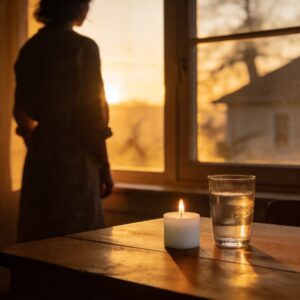

Fear changes shape at night.
Thoughts become louder.
Silence becomes heavier.
Small sounds feel significant.
Anxiety intensifies.
The imagination becomes more symbolic.
Isolation increases emotional pressure.
This is one reason nighttime fear has always carried spiritual importance across traditions.
For centuries, people used specific Psalms during:
- fear before sleep
- nightmares
- night terrors
- oppressive atmospheres
- panic during the night
- emotional dread
- spiritual heaviness
- unexplained anxiety
- fear of hostile influence
Not simply because they believed evil existed everywhere.
But because the Psalms helped restore:
- structure
- calmness
- rhythm
- emotional containment
- psychological safety
- spiritual reassurance
This distinction matters enormously.
Because practical Psalm work for fear is not about:
- amplifying paranoia
- obsessing over darkness
- turning every fear into a supernatural event
It is about:
- restoring stability
- reducing fragmentation
- calming the nervous system
- rebuilding a sense of safety
And during fear states, that alone can become profoundly powerful.
Why Fear Intensifies at Night
Night changes the emotional environment dramatically.
During the day:
- attention is scattered outward
- activity interrupts obsessive thinking
- social contact stabilizes perception
- external stimulation distracts the mind
At night, much of that disappears.
The mind becomes more internally focused.
This amplifies:
- intrusive thoughts
- hypervigilance
- symbolic thinking
- emotional sensitivity
- catastrophic imagination
Fatigue also weakens:
- emotional regulation
- rational pacing
- nervous system stability
This is why nighttime fear often feels:
- larger
- heavier
- more convincing
even when nothing external has changed.
Many traditional systems recognized this long before modern psychology.
That is why nighttime Psalm work became strongly associated with:
- peace before sleep
- protection during darkness
- calming fear
- restoring emotional steadiness
The goal was not merely “fighting evil.”
The goal was:
creating conditions where fear stopped controlling the atmosphere.
The Difference Between Fear, Anxiety, and Spiritual Disturbance
This section is extremely important because confusion between these states often intensifies suffering.
Not every frightening experience is:
- supernatural attack
And not every oppressive atmosphere is:
- simple anxiety
Practical spiritual work requires balance and grounding.
Fear
Fear is usually:
- immediate
- reactive
- situational
Examples:
- hearing an unexpected noise
- waking suddenly at night
- feeling unsafe temporarily
Fear itself is normal.
The problem begins when fear becomes:
- constant
- obsessive
- self-reinforcing
Anxiety
Anxiety is more anticipatory.
It creates:
- looping thoughts
- catastrophic prediction
- hyper-monitoring
- nervous system exhaustion
At night, anxiety often becomes:
- amplified symbolic thinking
The mind begins interpreting:
- ordinary sensations
as threats.
This is one reason repeated nighttime panic becomes so exhausting.
The nervous system stops trusting safety.
Spiritual Disturbance
Traditional systems often used this term more carefully than modern internet culture does.
In practical terms, spiritual disturbance usually refers to:
- persistent oppressive atmosphere
- repeated emotional heaviness
- symbolic dread
- destabilizing environments
- recurring fear patterns connected to specific places or conditions
This does NOT automatically mean:
- demons
- possession
- supernatural horror
Many factors can contribute to oppressive atmospheres:
- grief
- conflict
- chronic fear
- emotional residue
- trauma
- isolation
- sleep disruption
- stress saturation
Practical Psalm work attempts to:
- restore calmness
- reduce emotional heaviness
- reinforce symbolic safety
- cleanse atmosphere psychologically and spiritually
The emphasis remains:
- stabilizing
not - escalating fear.
Why Psalms Work So Well During Fear States
This is one of the most important operational questions.
Why do repeated Psalms calm fear so effectively?
The answer is deeper than:
“magic words.”
Psalms help because they create:
- rhythm
- repetition
- structure
- emotional orientation
- symbolic protection
- nervous system predictability
Fear fragments attention.
Psalm repetition reorganizes it.
Instead of:
- spiraling mentally
the mind begins following: - cadence
- repetition
- familiar structure
This creates emotional containment.
The nervous system slowly shifts from:
- hypervigilance
toward: - patterned stability
This is why many traditions emphasize:
- nightly repetition
- repeated recitation cycles
- calm pacing
- consistency over intensity
The Psalms become:
- emotional anchors during fear states.
The Best Psalms for Fear, Night Terrors, and Spiritual Protection
Different Psalms support different aspects of fear and nighttime disturbance.
Some calm:
- panic
- anxiety
- emotional instability
Others reinforce:
- courage
- protection
- symbolic safety
- spiritual defense
Understanding these distinctions creates much stronger practical results.
Psalm 91 — The Great Psalm of Night Protection
Psalm 91 is the most famous protective Psalm in mystical and folk traditions.
For centuries it has been associated with:
- fear during the night
- spiritual protection
- hostile influence
- unseen danger
- oppressive atmospheres
- nighttime safety
Its language is deeply protective:
- shelter
- refuge
- covering
- shielding
- preservation
One reason Psalm 91 became so powerful psychologically is because it repeatedly reinforces:
- safety imagery
Fear creates catastrophic imagery.
Psalm 91 replaces it with:
- guarded imagery.
This matters enormously during panic states.
Traditional systems often recommend Psalm 91 for:
- nightmares
- fear before sleep
- oppressive atmospheres
- spiritual heaviness
- fear of hostile forces
Operationally, Psalm 91 works best when:
repeated consistently rather than emotionally screamed during panic.
Rhythm matters.
Psalm 4 — Peaceful Sleep and Emotional Decompression
Psalm 4 is one of the strongest Psalms for:
- calming before sleep
- emotional decompression
- reducing nighttime anxiety
- restoring peaceful rest
Its atmosphere is:
- quiet
- gentle
- stabilizing
This makes it especially effective when fear is connected more to:
- nervous exhaustion
- overstimulation
- emotional overload
rather than aggressive fear states.
Psalm 4 helps the nervous system transition from:
- hyper-alertness
toward: - emotional settling
This is one reason many traditions use Psalm 4 immediately before sleep.
Psalm 23 — Emotional Safety During Darkness
Psalm 23 remains one of the most universally stabilizing Psalms because it directly addresses:
- fear
- uncertainty
- vulnerability
- darkness
But its emotional tone matters.
It does not create:
- panic warfare
Instead it reinforces:
- guidance
- companionship
- safety
- provision
- calm movement through danger
This is psychologically important.
Fear worsens when people feel:
- abandoned
- isolated
- defenseless
Psalm 23 reduces:
- existential isolation
and restores:
- symbolic protection.
Psalm 27 — Courage Against Fear
Psalm 27 is strongly associated with:
- courage
- confidence
- resilience
- spiritual bravery
This Psalm is especially useful when fear becomes:
- intimidating
- paralyzing
- oppressive
Unlike Psalm 4, which calms softly, Psalm 27 strengthens:
- internal resistance against fear.
Operationally:
Psalm 27 works extremely well when someone feels:
- emotionally cornered
- overwhelmed
- psychologically weakened
It restores:
- uprightness
- confidence
- forward emotional movement
Psalm 34 — Deliverance from Fear
Psalm 34 directly addresses:
- fear
- emotional distress
- panic
- psychological suffering
Its atmosphere is:
- relief-oriented
This makes it powerful during:
- emotional overwhelm
- lingering dread
- panic spirals
- fear after traumatic events
Psalm 34 works especially well when combined with:
- slow breathing
- calming environments
- nighttime stabilization routines
Because the Psalm reinforces:
- release from fear
rather than: - fixation on fear.
Psalm 121 — Guardianship During the Night
Psalm 121 is deeply associated with:
- divine watchfulness
- safe passage
- nighttime guardianship
- protection during vulnerability
Its psychological effect is subtle but powerful:
it reduces the feeling of:
being alone against danger.
This is especially important during:
- nighttime isolation
- sleeping alone
- unfamiliar environments
- travel
- emotional insecurity
Psalm 121 reinforces:
- continuity of protection.
Why Fear Work Often Becomes Worse
This section is critical.
Many people unintentionally intensify fear by:
- obsessively researching horror content
- consuming fear-based spiritual material
- doom-scrolling late at night
- isolating completely
- repeatedly stimulating panic
Fear grows through:
- amplification loops.
This is why stabilizing Psalm work must remain:
- rhythmic
- calm
- grounded
—not emotionally explosive.
A Practical Psalm Method for Fear and Night Disturbance
This method is intentionally simple.
Night fear already overwhelms the nervous system.
Complicated rituals often make things worse by creating:
- hyper-focus
- obsession
- ritual dependency
- emotional escalation
- fear reinforcement
The purpose of this structure is:
- stabilization
- calming
- emotional grounding
- restoration of safety
- reduction of oppressive atmosphere
Not dramatic spiritual theater.
What You Need
Keep the environment calm and uncluttered.
Required
- quiet room
- focused attention
- selected Psalms
Recommended
- white or blue candle
- glass or bowl of water
- clean sleeping environment
- reduced stimulation before bed
Optional:
- frankincense
- Florida Water
- lavender
- hyssop
- protective oil
The ritual works through:
- rhythm
- repetition
- atmosphere
- consistency
—not ritual complexity.
Candle Logic
White
Best for:
- protection
- cleansing
- peace
- spiritual reassurance
Blue
Best for:
- calmness
- emotional restoration
- sleep stabilization
- reduction of anxiety
Candles are optional.
Their main function is:
- symbolic safety
- emotional orientation
- ritual structure
STEP 1 — Reduce Stimulation Before Beginning
This step matters enormously.
Most people intensify nighttime fear by:
- scrolling endlessly
- consuming disturbing content
- researching frightening spiritual material
- overstimulating the nervous system before sleep
Night protection begins before the Psalms.
At least 20–30 minutes before beginning:
reduce:
- noise
- aggressive media
- emotional stimulation
- bright lighting
This helps the nervous system stop expecting threat.
STEP 2 — Establish the Atmosphere of Safety
Light the candle.
Sit quietly.
Slow your breathing slightly.
Do not begin the Psalms from panic if possible.
Say calmly:
“May peace enter this space.
May fear weaken.
May rest and protection surround this room.”
This matters psychologically because:
the nervous system responds strongly to:
- predictability
- ritual structure
- symbolic reassurance
The goal is not emotional intensity.
The goal is:
restoring safety.
STEP 3 — Read the Psalms in Stabilizing Sequence
Sequence matters because fear states are chaotic.
The Psalms should gradually:
- stabilize
- calm
- strengthen
- protect
Recommended sequence:
Psalm 4
First:
- decompresses emotional overload
- prepares the nervous system for rest
- reduces mental agitation
Psalm 23
Second:
- restores emotional reassurance
- reduces isolation
- stabilizes fear
Especially important during:
- existential dread
- emotional heaviness
- loneliness
Psalm 91
Third:
- reinforces symbolic protection
- restores safety imagery
- strengthens psychological shielding
Read slowly.
Do not rush.
Fear weakens when rhythm returns.
Optional Additions
Psalm 27
For:
- courage
- confidence
- emotional strength against fear
Psalm 34
For:
- panic spirals
- lingering dread
- emotional overwhelm
Psalm 121
For:
- nighttime reassurance
- sleeping alone
- travel fear
- unfamiliar environments
STEP 4 — Bless the Water
Place hands near the water.
Read a short section of:
- Psalm 23
or - Psalm 91
Then say:
“May this room remain calm, protected, and peaceful.”
Lightly sprinkle:
- doorways
- corners
- near the bed
The purpose is not superstition.
It is:
- symbolic cleansing
- emotional reassurance
- environmental stabilization
Atmosphere matters psychologically.
STEP 5 — Transition Directly Into Sleep
This is extremely important.
After the ritual:
DO NOT:
- reopen social media
- search fear content
- restart panic thinking
- stimulate yourself emotionally
Move directly into:
- silence
- dim lighting
- rest
Otherwise the nervous system immediately reactivates fear loops again.
Bedroom Atmosphere and Nighttime Stability
Many people underestimate how strongly environment affects fear.
Nighttime distress increases dramatically in environments with:
- clutter
- conflict
- emotional tension
- overstimulation
- poor sleep habits
- constant noise
- chaotic routines
Practical nighttime protection includes:
- atmosphere management
This means:
- calmer lighting
- reduced emotional residue
- cleaner spaces
- healthier sleep routines
- less overstimulation before bed
The Psalms become much stronger when:
the nervous system experiences the room as safer.
Repetition Cycles and Nightly Rhythm
Night fear responds extremely well to repetition.
This is because repeated structure creates:
- predictability
- emotional rhythm
- nervous system trust
- sleep association
Traditional systems often emphasize:
- nightly cycles
- repeated recitation
- continuity over intensity
Recommended Structures
3 Nights
Best for:
- temporary fear
- emotional shock
- isolated nightmares
7 Nights
Best for:
- recurring anxiety
- persistent fear
- unstable sleep
- oppressive atmosphere
21 Nights
Best for:
- chronic nighttime fear
- long-term emotional exhaustion
- recurring panic before sleep
- deeply destabilized sleep rhythm
Consistency matters more than emotional intensity.
Why Sleep Protection Is So Important
Sleep is psychologically sacred.
Without restorative sleep:
- anxiety increases
- hypervigilance worsens
- emotional regulation weakens
- symbolic fear intensifies
- perception destabilizes
This is why nighttime Psalm work often creates major improvement indirectly through:
- restored sleep rhythm
Sometimes the first breakthrough is simply:
sleeping peacefully again.
That alone can transform mental stability dramatically.
Advanced Layering (Optional)
Advanced work should remain calming.
Do not:
- overload rituals
- obsess over entities
- create fear theater
Layer strategically.
Layer 1 — Doorway Protection
Some traditions lightly bless:
- doorways
- windows
- thresholds
while reciting:
- Psalm 91
- Psalm 23
Threshold symbolism reinforces:
- protected boundaries
- emotional containment
Layer 2 — Written Psalm Near the Bed
Some practitioners place:
- Psalm 91
- Psalm 23
written near the bed or beneath the pillow.
Psychologically this reinforces:
- symbolic safety
- continuity of protection
Layer 3 — Evening Repetition Rhythm
Repeating the same sequence nightly helps train the nervous system into:
- anticipatory calmness
Over time:
the brain begins associating the Psalms with:
- safety
- slowing down
- sleep transition
This becomes extremely powerful practically.
What Worsens Fear and Spiritual Disturbance
This section matters enormously.
Many people unknowingly intensify fear atmospheres themselves.
1. Sleep Deprivation
Lack of sleep amplifies:
- paranoia
- symbolic thinking
- emotional instability
- fear sensitivity
Exhaustion makes everything feel heavier.
2. Obsessive Fear Research
Constantly consuming:
- horror content
- fear-based spirituality
- paranoia-heavy videos
- “entity attack” material
conditions the nervous system into:
constant threat expectation.
3. Emotional Isolation
Fear intensifies in isolation.
Especially when:
- thoughts remain unchallenged
- panic loops continue uninterrupted
- emotional grounding disappears
4. Ritual Obsession
Compulsively performing:
- endless cleansing
- constant protection rituals
- panic-driven repetition
often worsens hypervigilance.
Steady calm rhythm works better.
Signs of Restored Protection and Calmness
The first signs are usually subtle.
Not:
- dramatic supernatural events
Instead:
- calmer sleep
- reduced panic
- less oppressive atmosphere
- emotional steadiness
- reduced hypervigilance
- fewer fear spirals
- easier rest
- improved nervous system calmness
Often the first real sign is:
feeling safe enough to rest again.
That matters deeply.
Final Insight
Protection Begins with Restored Calmness
Fear grows through:
- chaos
- exhaustion
- fragmentation
- hypervigilance
- emotional overload
The Psalms help restore:
- rhythm
- structure
- emotional containment
- symbolic safety
- spiritual reassurance
This is why protective Psalm work has endured for centuries.
Not because fear disappears instantly.
But because calmness gradually becomes stronger than fear again.
Frequently Asked Questions:
Psalm 91 is traditionally considered the strongest Psalm for:
- nighttime fear
- spiritual protection
- fear during sleep
- oppressive atmospheres
- unseen danger
It is commonly combined with:
- Psalm 23 for emotional reassurance
- Psalm 4 for peaceful sleep
This creates a balanced approach between:
- protection
and - calming.
Strong traditional choices include:
- Psalm 4 → peaceful sleep and emotional decompression
- Psalm 91 → nighttime protection and safety
- Psalm 23 → emotional reassurance and calmness
- Psalm 121 → protection during the night
Many practitioners repeat these Psalms nightly for:
- consistency
- nervous system stabilization
- sleep restoration
Fear is usually:
- immediate
- emotional
- reactive
Anxiety is:
- repetitive mental looping
- anticipatory fear
- hypervigilance
Spiritual disturbance traditionally refers to:
- oppressive atmospheres
- recurring emotional heaviness
- destabilizing environments
- persistent symbolic dread
This does NOT automatically mean:
- demonic attack
- possession
- paranormal activity
Practical Psalm work focuses on:
- stabilization
- calmness
- emotional grounding
- restoration of safety
Night intensifies:
- isolation
- silence
- hypervigilance
- intrusive thinking
- emotional sensitivity
Fatigue also weakens:
- emotional regulation
- rational pacing
- nervous system balance
This is why nighttime fear often feels:
larger than it does during the day.
Traditional repetition cycles commonly include:
- 3 nights → temporary fear or nightmares
- 7 nights → recurring anxiety and sleep disturbance
- 21 nights → chronic nighttime fear or emotional exhaustion
Fear responds strongly to:
- rhythm
- predictability
- repeated calming structure
Many traditions encourage exactly that.
Psalm 91 is frequently used:
- nightly before sleep
- during stressful periods
- during emotional instability
- during fear-heavy environments
Its repeated protective imagery helps reinforce:
- symbolic safety
- emotional containment
- nighttime calmness
The most effective time is usually:
- shortly before sleep
This allows the nervous system to associate the Psalms with:
- slowing down
- safety
- rest
- emotional decompression
Avoid immediately returning to:
- social media
- horror content
- emotionally stimulating material
afterward.
Yes—but strategically.
Examples:
Sleep Protection
- Psalm 4 + Psalm 91
Emotional Reassurance
- Psalm 23 + Psalm 121
Courage Against Fear
- Psalm 27 + Psalm 91
Panic and Emotional Overwhelm
- Psalm 34 + Psalm 23
Avoid:
- compulsive stacking
- endless repetition from panic
- fear-driven ritual overload
The most common intensifiers are:
- sleep deprivation
- isolation
- obsessive fear research
- horror content before sleep
- doom-scrolling
- emotional overload
- panic rituals
- overstimulation at night
Many people unknowingly train the nervous system to expect danger constantly.
Absolutely.
This is one of the most practical uses of nighttime Psalm work.
Repeated recitation creates:
- emotional rhythm
- nervous system slowing
- mental structure
- calmer breathing patterns
- predictable sleep transition
Especially helpful:
- Psalm 4
- Psalm 23
- Psalm 91
Traditional correspondences commonly include:
- White → protection and cleansing
- Blue → calmness and emotional restoration
Candles are optional.
Their main function is:
- atmosphere
- focus
- symbolic reassurance
Usually:
- calmer sleep
- fewer panic spirals
- less oppressive atmosphere
- emotional steadiness
- reduced hypervigilance
- easier rest
- less nighttime dread
The first major breakthrough is often:
feeling safe enough to sleep peacefully again.
Yes—and that is important to avoid.
Protective work becomes unhealthy when someone:
- performs rituals constantly from panic
- obsessively searches for “signs”
- interprets everything as spiritual attack
- becomes dependent on endless cleansing rituals
Healthy Psalm work creates:
- calmness
- rhythm
- stabilization
—not fear addiction.
Because repeated Psalm recitation creates:
- rhythm
- predictability
- symbolic protection
- emotional containment
- nervous system stabilization
Fear fragments attention.
Psalms reorganize it.
That is one reason these practices have endured for centuries across many traditions.