
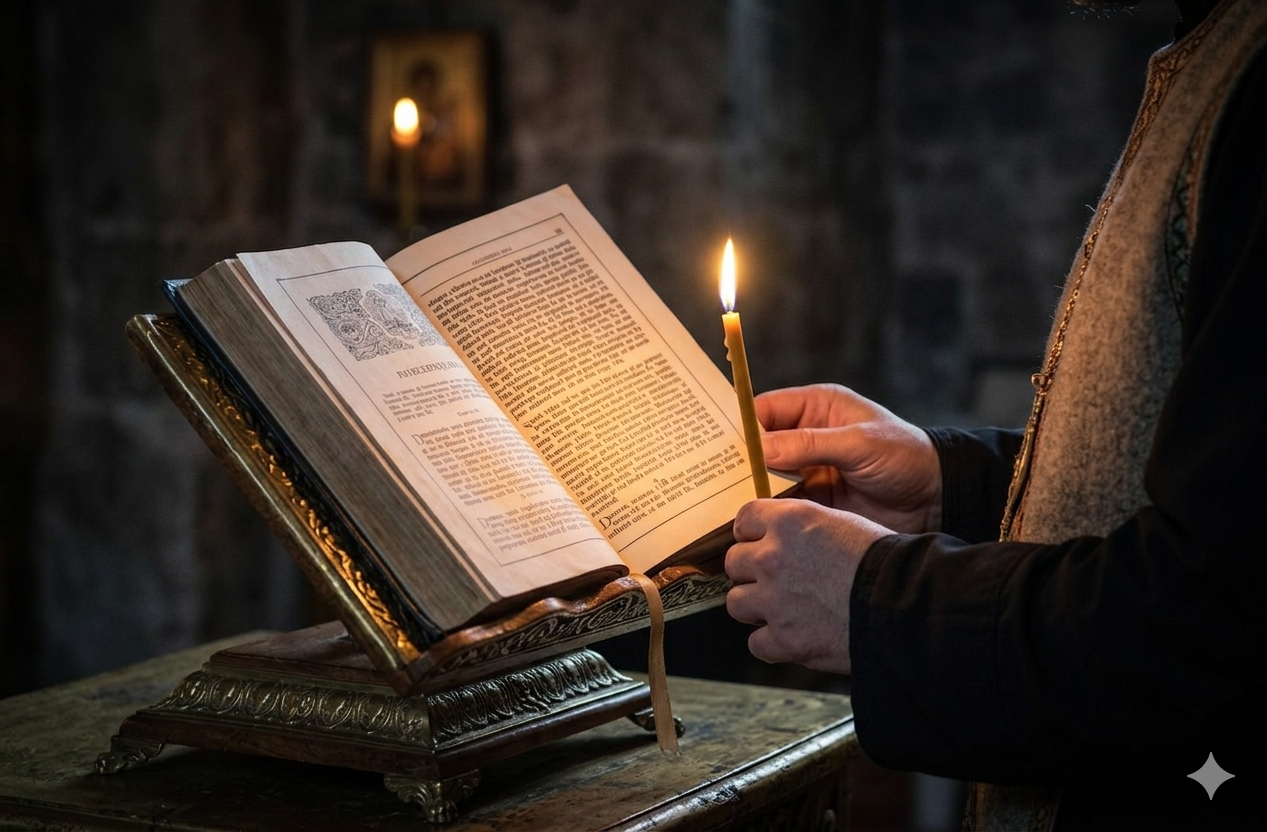
There are certain Psalms people return to when fear becomes difficult to explain.
Psalm 91 is one of them.
Across generations, across denominations, and across very different streams of spiritual practice, this Psalm has been loved as a prayer of refuge. It is turned to in moments of visible danger and invisible strain alike: illness, anxiety, uncertainty, travel, sleeplessness, spiritual pressure, and the quiet feeling that one needs shelter.
For many readers, Psalm 91 is simply one of the most beloved prayers in Scripture. For others, it is also a deeply established Psalm of protection—one that has been used not only devotionally, but in certain folk, hoodoo, and qabbalistically influenced practical traditions as part of focused spiritual work. In many practical-use tables in your library, Psalm 91 appears repeatedly as a major protection Psalm, sometimes listed directly for protection, danger, attacks, or house safeguarding, and in one stream it is described as “most common for many different protection uses.”
That wide reverence matters. But so does clarity.
Psalm 91 should not be reduced to a superstition, a formula, or a dramatic claim of invulnerability. Its enduring power comes from something older and deeper: it gives language to shelter. It teaches the soul where to stand when life feels exposed.
If you are new to the broader Psalms tradition, it may help to begin with our foundational guide on what the Psalms are and why they matter, and then with how to pray with the Psalms in a simple, reverent way. Psalm 91 belongs fully within that living tradition: prayer first, practice second, reverence always.
Why Psalm 91 Has Become a Psalm of Refuge
Some Psalms console.
Some Psalms instruct.
Some Psalms confess, praise, lament, or bless.
Psalm 91 does something slightly different.
It creates an atmosphere of shelter.
Even before anyone learns its place in devotional life or its role in practical traditions, the Psalm itself communicates protection through its imagery. It speaks in the language of dwelling, shadow, refuge, fortress, wings, deliverance, and preservation. It is not sentimental. It does not deny danger. It names fear directly—but places that fear inside a larger field of trust.
That is one reason Psalm 91 has remained so beloved. It does not ask the reader to pretend life is safe. It offers a way to pray when life does not feel safe at all.
For this reason, many people return to Psalm 91 in seasons of:
- emotional vulnerability
- fear of the unknown
- illness or recovery
- travel and transitions
- disturbed sleep or night anxiety
- household unrest
- spiritual heaviness or oppressive atmospheres
- times when one feels “uncovered”
In devotional Christianity, this often looks very simple: a person reads or recites Psalm 91 because they need comfort, courage, and the reassurance of divine nearness.
In practical Psalm traditions, the same core instinct remains recognizable, even when the method changes: the Psalm is treated as a focused prayer of refuge, especially where danger, fear, misfortune, or unseen hostility are concerned.
That shared instinct—refuge under pressure—is the real heart of Psalm 91.
What Psalm 91 Actually Says
Psalm 91 is beloved not only because tradition says it is protective, but because the text itself invites that understanding.
Its imagery is unusually concentrated. Even on a first reading, the Psalm feels protective.
Without reducing it to isolated lines, several themes stand out:
- dwelling in the “secret place”
- resting under divine shadow
- God as refuge and fortress
- deliverance from danger
- protection from fear at night
- protection from threats that come by day
- preservation amid invisible or spreading harm
- angelic guardianship imagery
- being upheld rather than abandoned
This is one of the reasons Psalm 91 has traveled so widely across traditions. It contains, in concentrated form, a whole spiritual grammar of protection.
And yet it is important to read it well.
Psalm 91 is not a talismanic slogan detached from relationship. It is a Psalm of trust. Its protective force is inseparable from its devotional structure. The movement of the Psalm is not “control danger through words.” The movement is closer to this:
- dwell
- trust
- remain
- call
- take refuge
- be held
That distinction matters, especially in modern spiritual culture, where people are often taught to treat sacred texts as if they were switches.
Psalm 91 is not a switch.
It is a sanctuary.
Why Psalm 91 Is So Widely Used for Protection
If you look across practical-use sources, Psalm 91 stands out with unusual consistency.
In the materials in your working library, it appears repeatedly in ways that strongly reinforce its long-standing protective reputation:
- In candle-burning and practical-use lists, it appears simply as “For protection.”
- In one list, it is paired with Psalm 18 for “protection from danger.”
- In a broader practical mapping stream, it is assigned “protection against all attacks, dangers and harm,” and is also linked there to release and anti-spirit functions.
- In another source, it is described as “most common for many different protection uses.”
This is the kind of repetition that matters in an editorial canon. It does not prove that every lineage uses Psalm 91 in the same way. It does not make every associated method equally strong. But it does establish a very clear pattern:
Across multiple streams of practical Psalm usage, Psalm 91 is consistently treated as a major protection Psalm.
That is an important distinction.
There are many weak, inconsistent, or highly idiosyncratic Psalm correspondences in the broader occult and folk ecosystem. But Psalm 91 as a protection Psalm is not a fringe claim. It is one of the more stable points of consensus.
Even in weaker or more compilative sources, Psalm 91 still tends to retain the same broad identity: protection, refuge, and help in times of need. One modernized source even calls it “the most powerful” and “the most esoteric” of the Psalms—language that is too inflated for our preferred tone, but still reflects the same cultural intuition: this Psalm is widely perceived as a special text of shelter.
For Living Talismans, the mature conclusion is simpler and stronger:
Psalm 91 is one of the most trusted Psalms of protection because both its language and its reception history point in the same direction.
Psalm 91 in Devotional Practice
Before we talk about candles, doorway prayers, or practical correspondences, it is important to say something clearly:
Psalm 91 stands on its own as a devotional prayer.
It does not require ritual support in order to be spiritually meaningful. It does not need to be “activated.” It does not need to be dramatized.
Many people pray Psalm 91 in the most ordinary and sacred ways possible:
- in the morning before leaving home
- at night before sleep
- before travel
- during illness or recovery
- during seasons of grief, fear, or instability
- when praying for a loved one
- when blessing a home in a simple, prayerful way
- when one feels emotionally or spiritually exposed
This is often the healthiest place to begin.
If you are learning how to pray with the Psalms, Psalm 91 is especially approachable because it carries its own emotional logic. Even if you do not fully understand every line, the movement of the Psalm teaches you how to pray it: not with force, but with dependence.
A simple devotional use of Psalm 91 might look like this:
- Read it slowly, without rushing.
- Notice which phrases calm or steady you.
- Read it again, more deliberately.
- Offer a short personal prayer afterward.
- Return to it daily for a period of time if needed.
Many people find that praying the same Psalm for several days creates a deeper sense of familiarity, steadiness, and trust. This is especially true with Psalm 91, because repetition gradually shifts the Psalm from something you are reading into something you are inhabiting.
That is the devotional genius of Psalm 91.
It is not only a text about refuge. It becomes a place of refuge through repetition.
Psalm 91 in Folk, Hoodoo, and Practical Psalm Traditions
Once we move beyond strictly devotional use, Psalm 91 enters a broader and more varied world.
This is where clarity matters.
Different traditions have preserved different methods. They are not interchangeable, and they should not be collapsed into one vague “mystical” category.
In some folk and practical Psalm traditions, Psalm 91 is used as focused spiritual work.
That may include:
- repeated recitation over a set number of days
- prayer with a candle
- prayer for the protection of a home
- carrying written Scripture in certain folk frameworks
- doorway or threshold placement in some practical lineages
- pairing with other verses or Psalms in specific systems
In your library, one practical-use stream explicitly associates Psalm 91 with house protection and recommends writing it with Psalm 90:17 on clean parchment and concealing it behind the door for protection from “evil accidents.”
That is a real traditional-style use in that stream. But it should be framed correctly.
It does not mean:
- all Christians do this
- all hoodoo workers do this
- all folk practitioners do this
- all qabbalistically influenced streams agree on the same exact method
- the method itself matters more than the prayer
It means something more modest and more useful:
Psalm 91 has a documented life beyond simple reading, and in some lineages it has been incorporated into intentional protection work.
That matters because it preserves the “living” part of the tradition.
But Living Talismans should always insist on the right hierarchy:
- Scripture before technique
- prayer before operation
- reverence before correspondence
- discernment before imitation
A candle may support attention.
A written verse may mark intention.
A threshold placement may symbolize consecrated protection.
But none of these should replace the central act: prayerful trust.
A sacred support should deepen attention, not replace it.
Devotional Use vs Ritual Use of Psalm 91
This distinction is worth making clearly, because it will shape the rest of your Psalms series.
Devotional use of Psalm 91 means:
- reading it as prayer
- reciting it in times of fear
- using it for comfort, reassurance, and spiritual shelter
- returning to it daily as a form of trust and remembrance
- praying it for yourself, your loved ones, or your home without formal ritual structure
Ritual or focused spiritual use of Psalm 91 means:
- using it intentionally within a defined spiritual framework
- pairing it with repeated recitation, candles, waters, anointing, or timing in some traditions
- treating the Psalm as part of a specific protective working
- using methods preserved in particular lineages rather than improvising from internet fragments
Neither category needs to be dismissed.
But they should never be confused.
The devotional use of Psalm 91 is broad, accessible, and spiritually complete in itself.
The ritual use of Psalm 91, where it exists, belongs to traditions with their own assumptions, methods, and boundaries. It should be approached with humility, context, and respect—not as aestheticized “content.”
This is one reason your future article on the difference between devotional and ritual use of the Psalms will matter so much. Psalm 91 is the perfect place to begin making that distinction.
A Simple and Reverent Way to Pray Psalm 91
If you want to begin using Psalm 91 in a grounded way, start here.
1) Read the Psalm slowly
Do not rush through it as if speed creates force.
Let the imagery settle.
2) Pray it in one clear intention
Keep the intention simple:
- protection for yourself
- peace in the home
- calm during fear
- protection during travel
- prayer for a loved one
- steadiness during illness or recovery
3) Repeat it for a short, consistent period
For example:
- once in the morning for 7 days
- once at night for 7 days
- morning and evening during a difficult season
The point is not compulsion.
The point is spiritual continuity.
4) Add a brief personal prayer
After the Psalm, say something direct and sincere.
For example:
“May this home remain under peace, protection, and right order.”
“Keep me steady where I feel afraid.”
“Cover what feels exposed.”
5) Keep the setting simple
If you want, you may pray with:
- a clean space
- a single candle
- a glass of water
- a quiet table or corner
But simplicity is enough.
If you use a candle, remember this principle:
A sacred support should deepen attention, not replace it.
That sentence alone will save many beginners from turning reverence into superstition.
Can Psalm 91 Be Prayed for Your Home?
Yes—devotionally, absolutely.
Many people pray Psalm 91 for:
- the peace of the household
- emotional stability in the home
- protection during stressful seasons
- blessing a new space
- spiritual calm after conflict, fear, or disturbance
This is a natural extension of the Psalm’s own imagery. It speaks of refuge, shelter, and nearness under protection. It is not difficult to understand why people pray it over a house or threshold.
In some practical-use streams, this becomes more formal. As noted above, one source in your library specifically preserves a doorway method involving Psalm 91 together with Psalm 90:17, written and placed behind the door as a protective measure.
That is best treated as a tradition-specific practical use, not as a universal instruction.
For most readers, a simple and reverent approach is enough:
- read Psalm 91 in the home
- pray for peace and right order
- repeat it consistently for several days
- avoid fear-driven ritual improvisation
- let the prayer establish the atmosphere
That is often stronger than people think.
Common Mistakes People Make with Psalm 91
Because Psalm 91 is so beloved, it is also frequently mishandled.
1) Treating it like a guarantee
Psalm 91 is not a contract of absolute worldly immunity.
It is a prayer of refuge, not a denial that life contains risk, suffering, or mystery.
2) Turning it into superstition
People sometimes act as if merely owning the text, displaying it, or repeating it mechanically is enough.
But sacred words are not vending-machine tokens.
3) Confusing all traditions into one system
A devotional Christian practice, a hoodoo-rooted use, a folk protection custom, and a qabbalistically influenced practical method are not the same thing.
They may overlap. They may resemble one another.
But they are not identical.
4) Chasing drama instead of steadiness
Psalm 91 is often sought in fear. That is understandable.
But fear can make people grasp for:
- excessive ritual complexity
- random internet correspondences
- inflated claims
- compulsive repetition
- symbolic clutter mistaken for depth
Psalm 91 does not need theatrics.
Its strength is often most visible when the practice becomes quieter.
5) Forgetting that the Psalm is relational
The deepest movement of Psalm 91 is not technique.
It is trust.
If that trust is absent, the rest can become decorative.
Why Psalm 91 Endures
Psalm 91 endures because it speaks to a very old human need.
Not the need to control everything.
The need to know where to stand when life becomes uncertain.
It remains beloved because it does not flatten protection into a slogan. It offers a place of interior orientation: a language of shelter, a posture of nearness, a form of prayer that can be carried through fear without becoming consumed by fear.
That is why it has survived across so many settings:
- churches and homes
- bedsides and sickrooms
- travel prayers and family prayers
- folk religious practice
- hoodoo and hoodoo-adjacent use
- practical Psalm traditions
- modern seekers trying to recover a more reverent way of praying Scripture
Across these traditions, Psalm 91 is loved not because everyone uses it in the same way, but because so many recognize the same current within it:
refuge, shelter, and sacred protection.
And that is the right way to hold it.
Psalm 91 may be used devotionally as a prayer of refuge, and in some traditions it is also used in focused spiritual work—but its strength should be approached as sacred practice, not as a mechanical guarantee.
In the end, Psalm 91 remains powerful not because it promises control, but because it teaches shelter.
Frequently Asked Questions
Yes. Across devotional life and multiple practical-use traditions, Psalm 91 is widely recognized as one of the most beloved Psalms of protection. In your library, it appears repeatedly in protection-related correspondences, including general protection, danger, attacks, and house-related safeguarding.
Because both its language and its reception history support that use. The Psalm itself speaks in imagery of refuge, shelter, wings, fortress, deliverance, and preservation. Across several traditions, that has naturally led people to pray it in times of fear, danger, and spiritual pressure.
Yes. Many people pray Psalm 91 daily—especially in the morning, at night, during travel, or through difficult seasons. Daily repetition can help the Psalm become a steadying spiritual practice rather than a one-time emergency prayer.
Yes. Devotional Christianity, folk religious practice, hoodoo, and qabbalistically influenced practical Psalm traditions may all value Psalm 91, but they do not always use it in the same way. That distinction matters and should be respected.
It can be both—but not in the same sense. Devotionally, it is a prayer of trust and refuge. In some traditions, it is also used as part of focused spiritual work. The healthiest approach is to keep the distinction clear: prayer first, ritual context second, superstition never.