
Psalm 2 changes the emotional atmosphere of the Psalter immediately.
Psalm 1 was:
- reflective
- rooted
- contemplative
Psalm 2 becomes:
- confrontational
- forceful
- royal
- conflict-oriented
The shift is intentional.
Psalm 1 established:
- alignment
Psalm 2 asks:
what happens when alignment encounters opposition?
This is one reason the Psalm feels so psychologically intense.
It explores:
- rebellion
- pressure
- hostility
- intimidation
- destabilization
- resistance against structure
But Psalm 2 is not ultimately about:
- domination
- cruelty
- ego inflation
It is about:
- maintaining stability under pressure
- refusing collapse during hostility
- standing inside legitimate authority without panic
This makes Psalm 2 extraordinarily relevant in modern life.
Because many people today live inside environments defined by:
- constant pressure
- collective outrage
- emotional contagion
- manipulation
- intimidation
- social hostility
- chaotic group dynamics
Psalm 2 becomes a study in:
stable authority confronting destabilizing force.
Why Psalm 2 Follows Psalm 1
The order matters enormously.
Psalm 1 teaches:
- alignment
- rootedness
- disciplined orientation
Psalm 2 immediately tests that stability.
This reveals something profound about the structure of the Psalter:
- wisdom without pressure is incomplete
Anyone can feel:
- stable
- disciplined
- spiritually aligned
inside peaceful conditions.
The real test begins when:
- opposition appears.
Psalm 2 introduces:
- resistance
- hostility
- collective rebellion
- emotional pressure
In symbolic terms:
Psalm 1 plants the tree.
Psalm 2 sends the storm.
This creates one of the deepest lessons in the entire Psalter:
stability must survive confrontation to become real strength.
“Why Do the Nations Rage?”
The Psychology of Collective Pressure
This opening line is one of the most psychologically powerful in the Psalms.
Traditionally:
- nations
- kings
- rulers
represent:
- collective power
- organized resistance
- hostile systems
- pressure structures
Operationally, the Psalm describes:
- collective destabilization
In modern life, this may appear as:
- mob mentality
- workplace hostility
- coordinated social pressure
- emotional manipulation
- online outrage cycles
- crowd-driven aggression
- intimidation environments
The key psychological feature is:
amplification.
Groups amplify emotion.
Fear spreads faster.
Rage spreads faster.
Panic spreads faster.
Hostility spreads faster.
Psalm 2 observes how unstable collective energy attempts to:
- overwhelm structure
- destabilize authority
- break boundaries
- intimidate stability
This is deeply relevant psychologically because many people today live under:
- constant emotional pressure fields
The nervous system becomes exhausted through:
- continual tension
- public hostility
- social aggression
- emotional overstimulation
Psalm 2 responds not with panic—
but with:
- composure.
Sacred Authority vs Ego Domination
This distinction is absolutely critical.
Psalm 2 contains:
- royal imagery
- authority symbolism
- forceful language
- victory themes
If interpreted immaturely, people can distort it into:
- superiority fantasy
- domination obsession
- narcissistic spirituality
That completely misses the Psalm’s deeper structure.
True authority in Psalm 2 is:
- grounded
- composed
- stable
- internally ordered
It is not:
- emotionally reactive
- chaotic
- ego-frantic
One of the hidden teachings of Psalm 2 is:
unstable people seek domination.
stable people embody authority quietly.
This matters enormously in practical spiritual work.
People under pressure often become:
- emotionally explosive
- reactive
- obsessed with enemies
- consumed by conflict
Psalm 2 attempts to restore:
- posture
- steadiness
- psychological containment
- confident restraint
The Psalm’s forcefulness comes from:
- certainty
not:
- hysteria.
The Rod of Iron
Symbolism of Structure and Boundary
One of the most famous images in Psalm 2 is:
the rod of iron.
This imagery has often been interpreted too literally.
Operationally, the rod symbolizes:
- unbreakable structure
- disciplined authority
- stable boundary
- refusal to collapse under pressure
Iron symbolism matters because iron traditionally represents:
- endurance
- strength
- resistance
- firmness
Psychologically, the rod of iron represents:
- emotional structure that cannot easily be manipulated
This is deeply important during hostile conditions.
People facing:
- intimidation
- manipulation
- collective hostility
often lose:
- internal structure
They become:
- reactive
- fragmented
- emotionally scattered
Psalm 2 restores:
- firmness
But this firmness should not become:
- cruelty
The healthiest interpretation is:
disciplined containment under pressure.
Psalm 2 as a Warfare Psalm
Yes—Psalm 2 absolutely belongs to the tradition of:
- warfare Psalms
But the warfare here is highly symbolic and psychological.
This is not merely:
- external conflict
It is also:
- resistance against destabilization
The enemies in Psalm 2 may represent:
- chaos
- manipulation
- rebellion
- intimidation
- pressure systems
- internal fear
- collective hostility
This makes the Psalm extraordinarily applicable during:
- leadership crises
- social conflict
- hostile environments
- intimidation campaigns
- emotionally aggressive atmospheres
The Psalm’s power comes from:
- refusal to psychologically surrender.
Psalm 2 and Leadership Pressure
Psalm 2 has long associations with:
- rulers
- leaders
- judges
- authority figures
- people carrying responsibility
Why?
Because leadership attracts pressure.
The more visible someone becomes, the more likely they are to encounter:
- resistance
- projection
- hostility
- challenge
- destabilization attempts
Many people collapse under pressure not because:
- they lack talent
but because:
- they lose internal composure
Psalm 2 helps reinforce:
- stable posture under scrutiny
This makes it especially useful for:
- business owners
- managers
- public-facing individuals
- creators
- spiritual workers
- people navigating hostile environments
Psalm 2 as a Protection Psalm
Psalm 2 protects differently than Psalm 91.
Psalm 91 protects through:
- shelter
- refuge
- reassurance
Psalm 2 protects through:
- authority
- structure
- confidence
- psychological resistance
It teaches:
intimidation loses power when internal collapse does not occur.
This is extremely important.
Many hostile environments function primarily through:
- emotional destabilization
The goal is often:
- making people doubt themselves
- forcing collapse through pressure
- exhausting confidence
Psalm 2 counters this by reinforcing:
- internal sovereignty
That is one reason it became associated traditionally with:
- courage
- leadership
- resistance against enemies
- authority stabilization
- overcoming hostile pressure
Why Psalm 2 Feels Intense
Psalm 2 carries:
- compressed force
The emotional atmosphere is:
- tense
- elevated
- confrontational
But underneath the tension is:
- certainty
This creates a very different emotional effect from:
- panic-driven aggression
The Psalm does not feel:
- afraid
It feels:
- immovable.
That emotional quality is precisely what makes it powerful during:
- intimidation
- destabilization
- conflict pressure
- hostile social environments
It helps reorganize emotional posture away from:
- collapse
and toward:
- stable resistance.
Traditional Uses of Psalm 2
Across devotional, mystical, and folk traditions, Psalm 2 has been associated with:
- overcoming opposition
- protection from enemies
- courage during conflict
- authority stabilization
- leadership confidence
- resisting intimidation
- strengthening resolve
- breaking hostile pressure
- defending rightful position
Some traditions also use Psalm 2 before:
- difficult meetings
- legal conflict
- leadership decisions
- confrontational environments
- public exposure
because the Psalm reinforces:
- composure under scrutiny.
The Core Psalm 2 Ritual
A Practical Method for Stability Under Pressure
Psalm 2 works best when approached from:
- composure
- structure
- grounded confidence
Not:
- emotional frenzy
- revenge obsession
- reactive anger
This is extremely important.
The Psalm strengthens:
- posture
- steadiness
- resistance to intimidation
- internal authority
Operationally, Psalm 2 becomes most effective when used:
- before confrontation
- during hostile environments
- while rebuilding confidence under pressure
- during leadership strain
- while resisting manipulation or destabilization
Its energy is:
- firm
- elevated
- stabilizing
not chaotic.
What You Need
Keep the environment:
- clean
- structured
- uncluttered
Required
- quiet space
- Psalm 2
- focused attention
Recommended
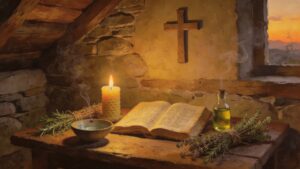
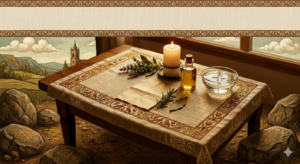
- white, purple, or red candle
- glass of water
- upright seated posture
- morning or pre-confrontation practice
Optional:
- iron object
- frankincense
- cedar incense
- olive oil
Psalm 2 responds strongly to:
- disciplined repetition
- vocal confidence
- calm breathing
- physical posture
—not emotional aggression.
Candle Logic
White
Best for:
- clarity
- lawful authority
- stabilized judgment
- spiritual composure
Purple
Best for:
- sovereignty
- leadership
- disciplined confidence
- controlled power
Red
Best for:
- courage
- vitality
- resistance under pressure
Use carefully.
Red works best when balanced with:
- restraint
- composure
- emotional control
Otherwise people may drift into:
- reactive anger
instead of: - stable authority.
STEP 1 — Identify the Pressure Clearly
This step matters enormously.
Psalm 2 becomes distorted when:
- vague paranoia replaces clarity
Before reading, ask honestly:
What pressure am I actually facing?
Where am I feeling intimidated?
What environment is destabilizing me?
Where am I losing composure?
Which people or systems are attempting to overwhelm clarity?
This is not about:
- enemy obsession
It is about:
- recognizing destabilization patterns
Many hostile systems function psychologically through:
- emotional exhaustion
- intimidation
- pressure amplification
Psalm 2 begins by:
- naming the pressure without collapsing into it.
STEP 2 — Establish Physical and Emotional Posture
Posture matters deeply with Psalm 2.
Sit or stand upright.
Slow breathing deliberately.
Do not rush.
Say calmly:
“May clarity remain stronger than pressure.
May structure remain stronger than chaos.
May I remain steady under opposition.”
This matters psychologically because:
the nervous system interprets:
- posture
- breath
- pacing
as signals of:
- threat
or - stability
Psalm 2 strengthens:
- grounded presence.
STEP 3 — Read Psalm 2 with Controlled Force
Do not whisper Psalm 2 timidly.
But also:
do not scream it emotionally.
The ideal tone is:
- measured
- steady
- authoritative
Pause at key phrases:
- “Why do the nations rage”
- “He that sitteth in the heavens shall laugh”
- “break them with a rod of iron”
- “serve with fear”
- “kiss the Son”
Notice the emotional architecture:
- chaos rises
- structure remains unmoved
- authority does not panic
- pressure fails to destabilize true order
This emotional movement is the operational core of the Psalm.
Read slowly enough for:
- the posture of the Psalm
to influence: - your nervous system state
This matters more than theatrical intensity.
STEP 4 — Use Water and Iron Symbolically
Place the glass of water beside an iron object if available.
Iron symbolizes:
- firmness
- endurance
- resistance
- structural integrity
Read:
“Thou shalt break them with a rod of iron…”
Then slowly drink the water afterward.
The purpose is not superstition.
It is:
- symbolic internalization
- embodiment of steadiness
- psychological reinforcement
The ritual reinforces:
- composure under pressure
- structural resilience
- emotional solidity
STEP 5 — End with Controlled Action, Not Emotional Escalation
This step is critical.
Psalm 2 is NOT permission for:
- reckless confrontation
- rage spirals
- ego battles
After prayer:
- organize priorities
- reduce emotional impulsiveness
- strengthen boundaries
- prepare strategically
- act with discipline
The Psalm becomes strongest when:
- emotional intensity becomes structured action
rather than:
- uncontrolled reaction.
Psalm 2 for Hostile Environments and Intimidation
Psalm 2 works exceptionally well during:
- workplace hostility
- leadership attacks
- manipulative group dynamics
- social intimidation
- emotionally aggressive environments
These situations often create:
- nervous system destabilization
People begin:
- doubting themselves
- emotionally shrinking
- overreacting
- collapsing internally
Psalm 2 helps restore:
- internal verticality
That is:
- psychological uprightness under pressure
This is one reason many practitioners experience:
- stronger composure
- improved voice steadiness
- reduced intimidation response
- increased emotional containment
after repeated Psalm 2 work.
Repetition Cycles and Confidence Conditioning
Psalm 2 is cumulative.
Repeated recitation gradually strengthens:
- emotional posture
- pressure resistance
- leadership steadiness
- conflict composure
Recommended Structures
3-Day Conflict Stabilization Cycle
Best for:
- temporary pressure
- upcoming confrontation
- emotionally tense situations
Read:
- morning and evening
while minimizing emotional escalation.
7-Day Courage and Resistance Cycle
Best for:
- hostile work environments
- intimidation patterns
- leadership strain
- confidence rebuilding
This cycle works especially well combined with:
- disciplined routine
- reduced emotional reactivity
- physical grounding
21-Day Authority Rebuilding Cycle
Best for:
- long-term destabilization
- severe confidence collapse
- recovery after manipulation
- rebuilding personal sovereignty
This transforms Psalm 2 into:
- psychological fortification practice
through repetition.
Advanced Layering (Optional)
Advanced work should remain:
- disciplined
- calm
- grounded
Avoid:
- enemy obsession
- domination fantasy
- ritual aggression addiction
Psalm 2 strengthens through:
- containment
not:
- emotional explosion.
Layer 1 — Pre-Confrontation Reading
Psalm 2 works extremely well before:
- difficult meetings
- legal encounters
- negotiations
- public speaking
- tense conversations
because it stabilizes:
- nervous system posture
before pressure begins.
Layer 2 — Boundary Reinforcement
Some practitioners pair Psalm 2 with:
- doorway blessing
- office cleansing
- workspace organization
- symbolic iron placement
to reinforce:
- structural authority
- environmental stability
The symbolism becomes powerful psychologically.
Layer 3 — Leadership Reflection
After recitation, ask:
- where am I becoming reactive?
- where am I losing composure?
- where does ego distort authority?
- where do I need stronger boundaries?
This prevents:
- immature interpretations of power
and deepens:
- disciplined leadership.
What Weakens Psalm 2 Work
This section matters enormously.
Many people accidentally transform Psalm 2 into:
- ego reinforcement
instead of:
- stabilizing authority practice.
1. Reactive Anger
Anger weakens:
- clarity
- timing
- structure
- discernment
Psalm 2 strengthens:
- controlled force
not:
- emotional chaos.
2. Enemy Obsession
Constant focus on:
- enemies
- conspiracies
- hostility
eventually destabilizes:
- nervous system balance
Psalm 2 is about:
- maintaining authority
not:
- living in permanent warfare mentality.
3. Ego Inflation
Some people interpret authority as:
- superiority
This usually produces:
- fragility
- emotional volatility
- domination behavior
True authority remains:
- stable under challenge.
4. Emotional Collapse Under Pressure
Many hostile environments succeed because people:
- panic internally
- abandon structure
- lose pacing
- become reactive
Psalm 2 trains:
- resistance against psychological destabilization.
Signs of Stabilized Authority and Sacred Confidence
The first signs are usually subtle.
Not:
- domination
- instant victory
- dramatic conquest
Instead:
- calmer posture
- steadier speech
- reduced intimidation
- clearer thinking under pressure
- stronger boundaries
- emotional containment
- reduced panic
- increased confidence
Often the first major sign is:
no longer feeling psychologically pushed around by hostile energy.
That matters deeply.
Final Insight
True Authority Remains Stable Under Pressure
Psalm 2 teaches that:
- chaos attempts destabilization
- pressure seeks emotional collapse
- hostility tries to fracture structure
But true authority does not panic.
It remains:
- composed
- disciplined
- grounded
- internally ordered
The Psalm’s force does not come from:
- rage
It comes from:
- certainty
This is why Psalm 2 became associated for centuries with:
- courage
- sovereignty
- resistance
- leadership under pressure
- protection against destabilizing hostility
Because in the end:
chaos loses much of its power when stability refuses to collapse.
Frequently Asked Questions:
Psalm 2 is traditionally used for:
- courage under pressure
- resisting intimidation
- authority stabilization
- overcoming opposition
- leadership confidence
- protection during conflict
- emotional steadiness in hostile environments
It is often approached as:
- a warfare Psalm
- a resistance Psalm
- a leadership Psalm
because it strengthens:
- composure
- internal authority
- stability under pressure
rather than panic or collapse.
Yes—but its warfare is deeply symbolic and psychological.
Psalm 2 addresses:
- rebellion
- hostility
- destabilization
- collective pressure
- attacks against structure and authority
Operationally, the Psalm helps strengthen:
- emotional resilience
- disciplined confidence
- psychological resistance
during:
- hostile environments
- intimidation
- conflict pressure
- manipulative situations
Its healthiest use is:
- defensive stabilization
not:
- revenge obsession.
Traditionally, “the nations” symbolize:
- collective power
- organized hostility
- rebellious systems
- destabilizing pressure
In modern life this may appear as:
- mob mentality
- social intimidation
- manipulative group dynamics
- emotionally chaotic environments
- coordinated hostility
Psychologically, the line describes:
- pressure amplification
The Psalm asks:
why does chaos become so aggressive against stability and order?
Operationally, the rod of iron symbolizes:
- disciplined structure
- unbreakable boundaries
- firmness under pressure
- stable authority
- refusal to emotionally collapse
Iron traditionally represents:
- endurance
- resistance
- strength
- containment
The healthiest interpretation is:
- grounded firmness
not:
- cruelty or domination.
Yes.
This is one of its strongest practical applications.
Psalm 2 helps reinforce:
- emotional posture
- confidence
- boundary strength
- composure during pressure
It works especially well during:
- hostile workplaces
- manipulative social dynamics
- leadership attacks
- emotionally aggressive environments
- high-pressure confrontations
Yes—but differently than protective refuge Psalms like Psalm 91.
Psalm 2 protects through:
- authority
- psychological steadiness
- resistance against destabilization
- emotional containment
- refusal to surrender internally under pressure
It is:
a sovereignty-based protection Psalm.
The ideal tone is:
- steady
- measured
- composed
- confident
Not:
- timid
or - rage-driven
Psalm 2 works best when read with:
- controlled force
- upright posture
- calm breathing
- disciplined pacing
The goal is:
- internal stabilization
not emotional escalation.
Traditional correspondences commonly include:
- White → clarity and lawful authority
- Purple → sovereignty and leadership
- Red → courage and resistance
Red should be used carefully and balanced with:
- composure
- restraint
- emotional control
to avoid turning the work into:
- reactive aggression.
Traditional-style cycles work very well with Psalm 2.
Recommended structures include:
- 3 days → temporary conflict stabilization
- 7 days → courage and pressure resistance
- 21 days → rebuilding authority and confidence
Because Psalm 2 is cumulative, repeated recitation gradually strengthens:
- emotional posture
- nervous system steadiness
- confidence under pressure
Yes.
Psalm 2 becomes distorted when someone develops:
- enemy obsession
- paranoia
- domination fantasies
- emotional aggression
- superiority complexes
Healthy Psalm 2 work strengthens:
- disciplined confidence
- stable boundaries
- composed authority
—not ego inflation.
Because it deals directly with:
- opposition
- rebellion
- pressure
- destabilization
- hostility
But unlike panic-driven aggression, Psalm 2 carries:
- certainty
- structure
- contained force
Its emotional atmosphere is:
- immovable
rather than: - chaotic
That emotional posture is one reason it becomes powerful during:
- intimidation
- leadership pressure
- hostile environments
Absolutely.
Psalm 2 has long associations with:
- rulers
- judges
- authority figures
- leadership roles
It is especially useful for:
- business owners
- creators
- managers
- spiritual workers
- people under public scrutiny
because it reinforces:
- stability under pressure
- emotional containment
- resistance to destabilization
The most common problems are:
- reactive anger
- emotional impulsiveness
- obsession with enemies
- ego inflation
- panic under pressure
- constant conflict focus
Psalm 2 strengthens through:
- structure
- composure
- repetition
- disciplined confidence
not:
- emotional chaos.
Usually:
- calmer posture
- stronger boundaries
- reduced intimidation
- steadier speech
- clearer thinking under pressure
- less emotional collapse
- increased confidence
- improved composure during confrontation
The first major sign is often:
no longer feeling psychologically dominated by hostile environments.
Because the Psalter begins with:
- alignment (Psalm 1)
- pressure against alignment (Psalm 2)
This structure teaches:
- rootedness must survive opposition
Psalm 2 introduces one of the central themes of the entire Psalter:
stability under pressure.